

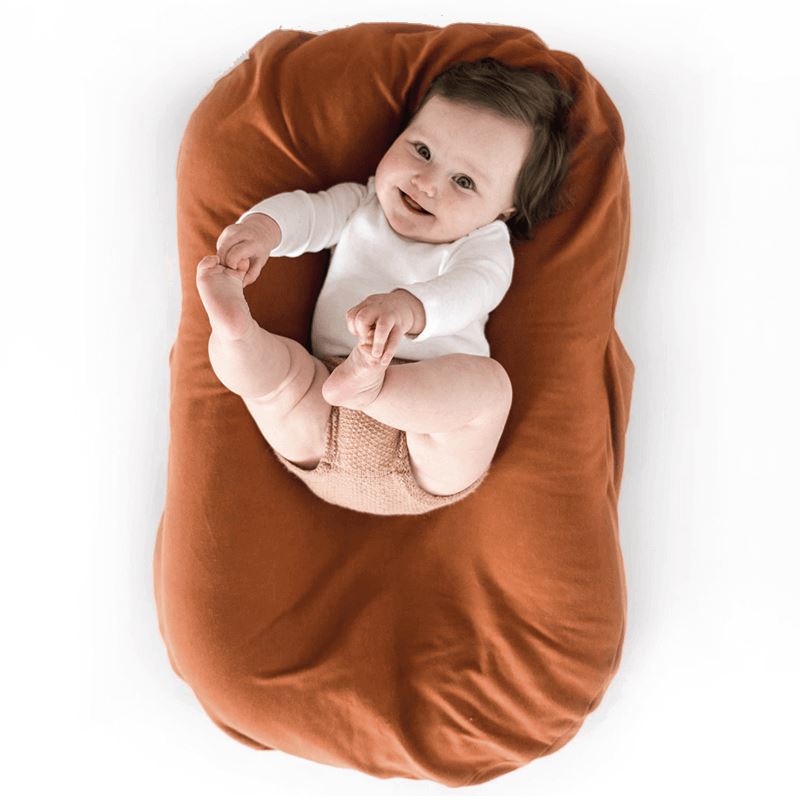
How to Use a Baby Lounger Nest Bed: The Beginner's Complete Guide
A baby lounger nest bed is one of those products that looks self-explanatory — until you have a newborn in your arms and you're not entirely sure you're using it correctly. Here's the complete guide to getting the most out of your baby lounger, safely and confidently.
What Is a Baby Lounger Nest Bed?
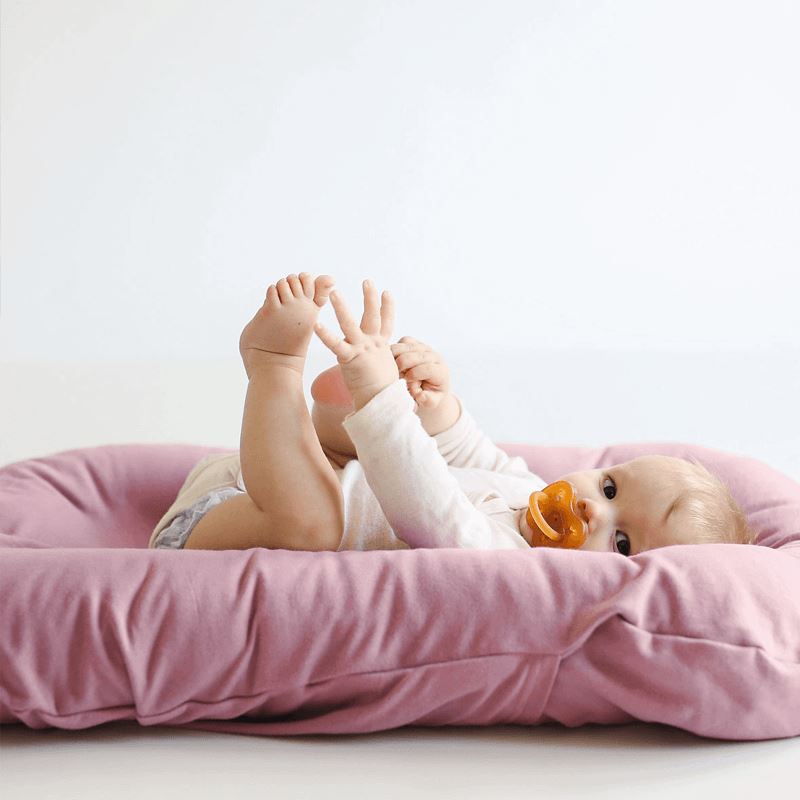
A baby lounger (also called a nest bed, baby cocoon, or baby pod) is a portable, cushioned surface that cradles your baby in a slightly enclosed position. Unlike a flat mattress, the lounger has raised sides that create a "nest" effect — baby feels contained and secure, similar to being held.
The Baby Lounger Nest Bed - Comfy™ at Baby Bubble is designed for this purpose: a soft, supportive nest for supervised use during awake time and short supervised rest periods.
When Can You Start Using It?
From day one — baby loungers are designed for newborns and are most useful in the 0–4 month stage. This is when babies are small enough to fit snugly in the nest and benefit most from the contained, secure feeling it provides.
Most babies start to outgrow the snug nest effect around 4–6 months as they become more active and mobile. The lounger can still be used after this, but it functions more as a play surface than a containment nest.
The 5 Most Common Uses
1. Awake Tummy Time
Place baby on their tummy on the lounger for supervised tummy time. The slightly elevated sides give them something to push up against and help with head and neck strengthening. This is one of the best uses of a baby lounger — it makes tummy time more tolerable for babies who hate being flat on the floor.
2. Supervised Rest Between Activities
After a feed, during your shower, while you cook — the lounger gives baby a safe, comfortable spot to rest with eyes open while you're nearby. The enclosed nest shape is calming and familiar.
3. Carrying Between Rooms
The Comfy™ has a portable design that lets you carry it from room to room — so baby can be near you wherever you are in the house without setting up a full sleep space. This is particularly useful in the first 8 weeks when the "never put them down" phase is in full swing.
4. Play Surface
As baby gets older and starts tracking objects and reaching, the lounger provides a comfortable, slightly elevated play surface. Hang a toy above it, place a mirror beside it, or simply let them kick and explore in a safe space.
5. Feeding Support
Some parents use the lounger to help position a baby during feeding — particularly for bottle feeding. The slightly inclined nest helps with positioning and keeps baby stable.
How to Position Baby in the Lounger
For Awake Time:
Baby can be placed on their back, side, or tummy — depending on the activity. Always watch them and never leave unsupervised.
For Supervised Rest:
Always place baby on their back. Even in the lounger, the back-to-sleep guideline applies. The sides of the nest should not be so high that they obstruct the baby's face or restrict airway access.
Never:
- Leave baby unsupervised in the lounger for sleep
- Place the lounger on an elevated surface (couch, bed, table) unsupervised
- Allow older siblings or pets to access baby while in the lounger
- Use it as a primary sleep space for overnight sleep
What's the Difference Between a Lounger and a Bassinet?
This is one of the most searched questions by new parents. The key difference is the purpose:
- Bassinet — designed for unsupervised sleep; firm, flat, meets sleep safety standards
- Baby lounger — designed for supervised awake time and short supervised rest; not a replacement for a bassinet or cot
These are complementary products, not competitors. Most families use both — the bassinet for overnight and nap sleep, the lounger for awake time and daytime supervision.
Caring for Your Comfy™ Lounger
- Remove and machine wash the cover weekly (or after incidents)
- Air out the inner cushion regularly — sunlight is your friend
- Spot-clean the inner cushion with a damp cloth and cold water if needed
- Replace the cover if it shows wear, permanent staining, or lost elasticity
Get Started Right
A baby lounger is one of the most practical tools in the first 4 months of parenthood. Used correctly — with supervision, in appropriate positions, and never as a replacement for a proper sleep surface — it makes life significantly easier for both baby and parent.
→ Shop the Baby Lounger Nest Bed - Comfy™ in Beige at Baby Bubble


Lämna en kommentar
Denna webbplats är skyddad av hCaptcha och hCaptchas integritetspolicy . Användarvillkor gäller.