

Why Choosing the Right Pregnancy Seat Belt Adjuster Matters
A pregnancy seat belt adjuster is a safety product — choosing the wrong one isn't just inconvenient, it could compromise protection in an accident. Here's what to look for to ensure you get a product that genuinely improves your car safety during pregnancy.
1. Correct Seat Belt Positioning Mechanism
The primary function of a pregnancy seat belt adjuster is to reposition the lap belt under the bump. Check that the adjuster you're considering does this correctly. It should hold the lap portion of the belt low, across the hips and thighs, while the shoulder portion continues to cross the chest correctly. Products that simply reduce overall tension or reposition the shoulder belt only are not performing the right function.
2. Secure Attachment to the Seat
The adjuster needs to attach securely to the car seat — not just to the belt itself. If the adjuster moves with the belt, it's not doing its job. Look for adjuster designs with clips or hooks that attach to the seat base or the loop of the belt's anchor point, keeping the lap belt in the correct position consistently.
3. Universal Compatibility
Most seat belt adjusters are designed for standard three-point seat belts as fitted in the vast majority of modern vehicles. However, always check compatibility with your specific car. Some older vehicles or unusual seat configurations may require a specific product.
4. Comfort and Padding
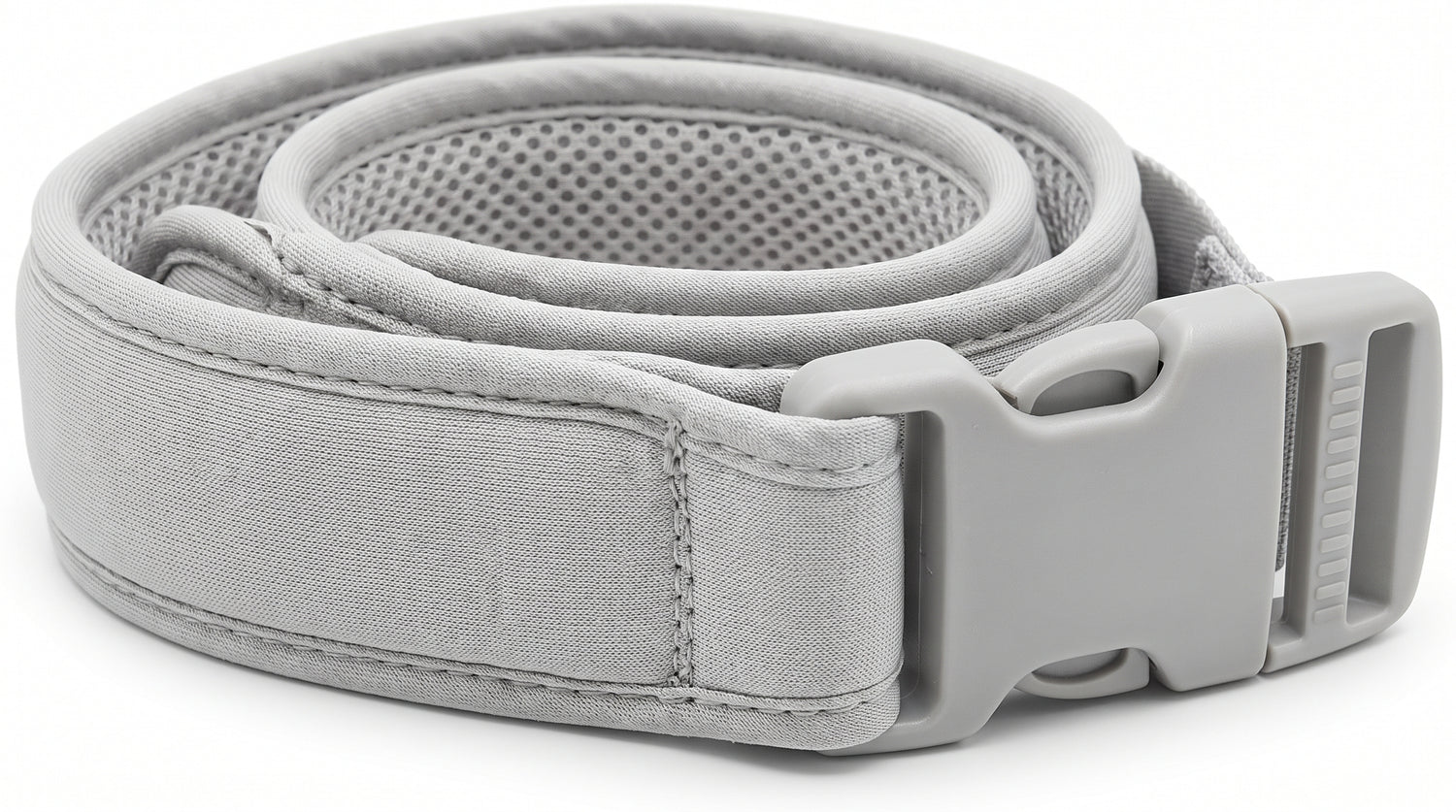
In addition to safety repositioning, a good adjuster should also make car journeys more comfortable. Look for padded sections where the belt crosses the bump or chest, reducing pressure and friction during longer journeys. The Baby Bubble™ design, for instance, specifically addresses the comfort element alongside the safety positioning function.
5. Easy to Install and Remove
You may use this product in multiple vehicles or need to remove and reinstall it regularly. Look for a product that installs without tools and can be moved between cars easily. Adjusters that clip onto existing seat belt infrastructure without modifications are ideal.
6. Safety Testing and Certification
This is a safety product — always look for evidence that it has been tested to relevant standards. In many markets, reputable products will have been crash-tested or assessed for compatibility with seat belt safety standards. Products with no safety testing data at all should be avoided.
7. Trimester Compatibility
Ideally, choose an adjuster that's useful from the point where the bump becomes uncomfortable in the seat belt — typically from around 20 weeks — through to the end of pregnancy. Adjustable or flexible designs accommodate changing bump size better than fixed-size options.
Buying Checklist
- ✓ Correctly repositions lap belt under bump
- ✓ Attaches securely to seat (not just belt)
- ✓ Compatible with your vehicle
- ✓ Padding for comfort on longer journeys
- ✓ Easy to install and transfer
- ✓ Safety tested
- ✓ Accommodates changing bump size
Final Thoughts
A pregnancy seat belt adjuster is a small investment that can make a meaningful difference to both safety and comfort during every car journey. Choose carefully, check compatibility, and always continue wearing your seat belt — correctly positioned — every time you're in a vehicle.
👉 Ready to get yours? Check out the Comfortable Pregnant Belt — available now at Baby Bubble Store with fast shipping.
Shop Now →



Laat een reactie achter
Deze site wordt beschermd door hCaptcha en het privacybeleid en de servicevoorwaarden van hCaptcha zijn van toepassing.