

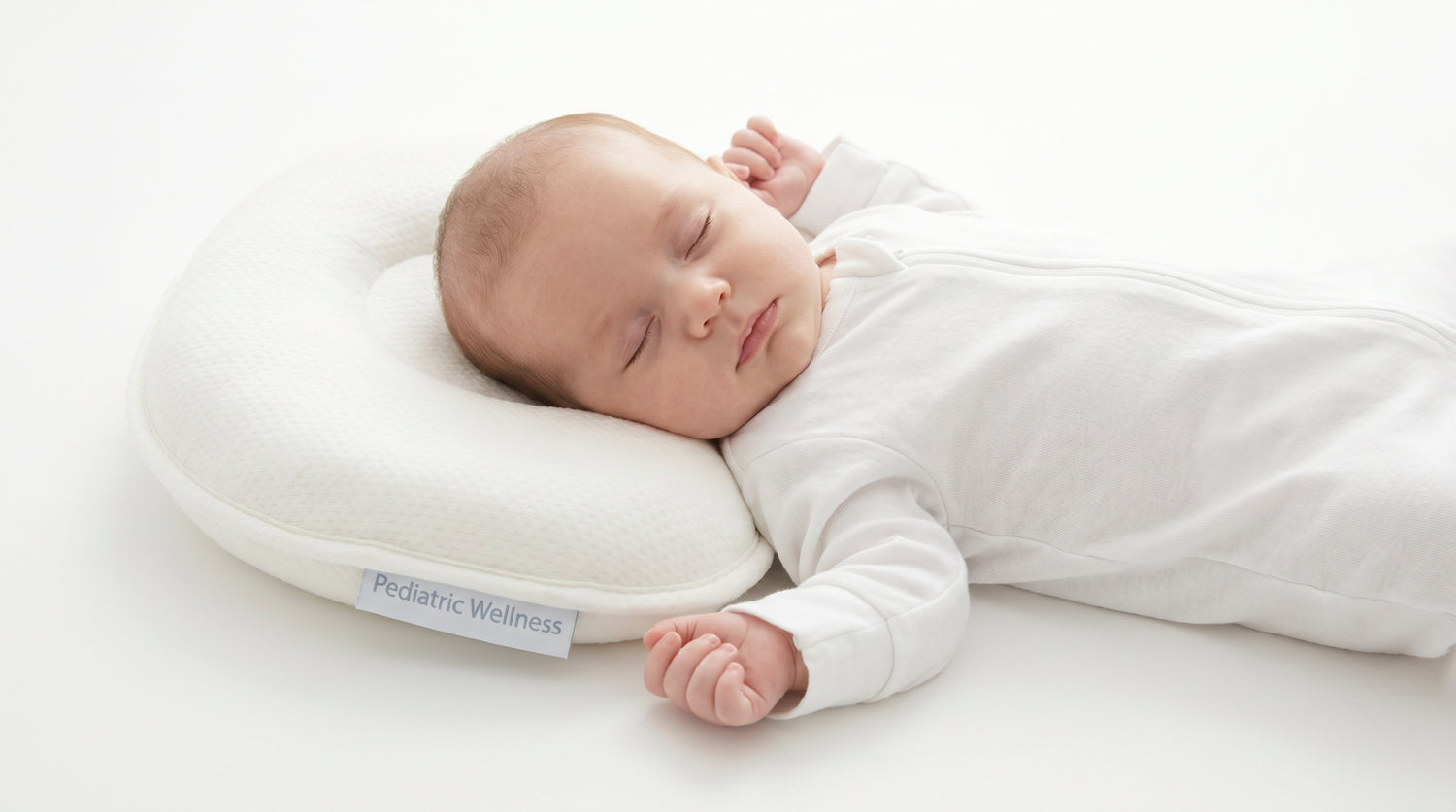
Noticing a flat spot developing on your baby's head can be worrying. But positional plagiocephaly — the medical term for flat head syndrome — is extremely common, well understood, and in most cases very manageable with the right approach. Here's what parents need to know.
What Is Flat Head Syndrome?
Positional plagiocephaly occurs when pressure on one area of a baby's skull causes that area to flatten. Because a baby's skull bones are not yet fused at birth, they're malleable and respond to pressure. When a baby consistently rests their head in the same position, the repeated pressure can gradually alter the skull's shape.
A related condition, brachycephaly, occurs when the back of the skull flattens symmetrically — usually from spending too much time on the back without head repositioning.
Why Is It So Common?
Flat head syndrome became more prevalent after safe sleep guidelines began recommending that babies sleep on their backs — which is the right recommendation for reducing SIDS risk. Back sleeping is safe and important. The key is ensuring babies don't spend all their time with their head in the same position.
Risk Factors
- Premature birth (softer skull bones)
- Limited neck movement or torticollis
- Multiple birth (less room to move in the womb)
- Extended time in car seats, bouncers, or swings where the head rests in one position
Prevention Strategies
Tummy time
Regular supervised tummy time is the single most effective prevention strategy. Aim for at least 30 minutes of tummy time per day, spread across several sessions.
Repositioning
Regularly change which end of the crib your baby's head rests at, and alternate the arm you carry them on. This encourages them to turn their head in different directions.
Reduce time in supportive seats
Limit extended time in car seats, bouncers, and swings, which keep the head in a fixed position.
Flat head pillow
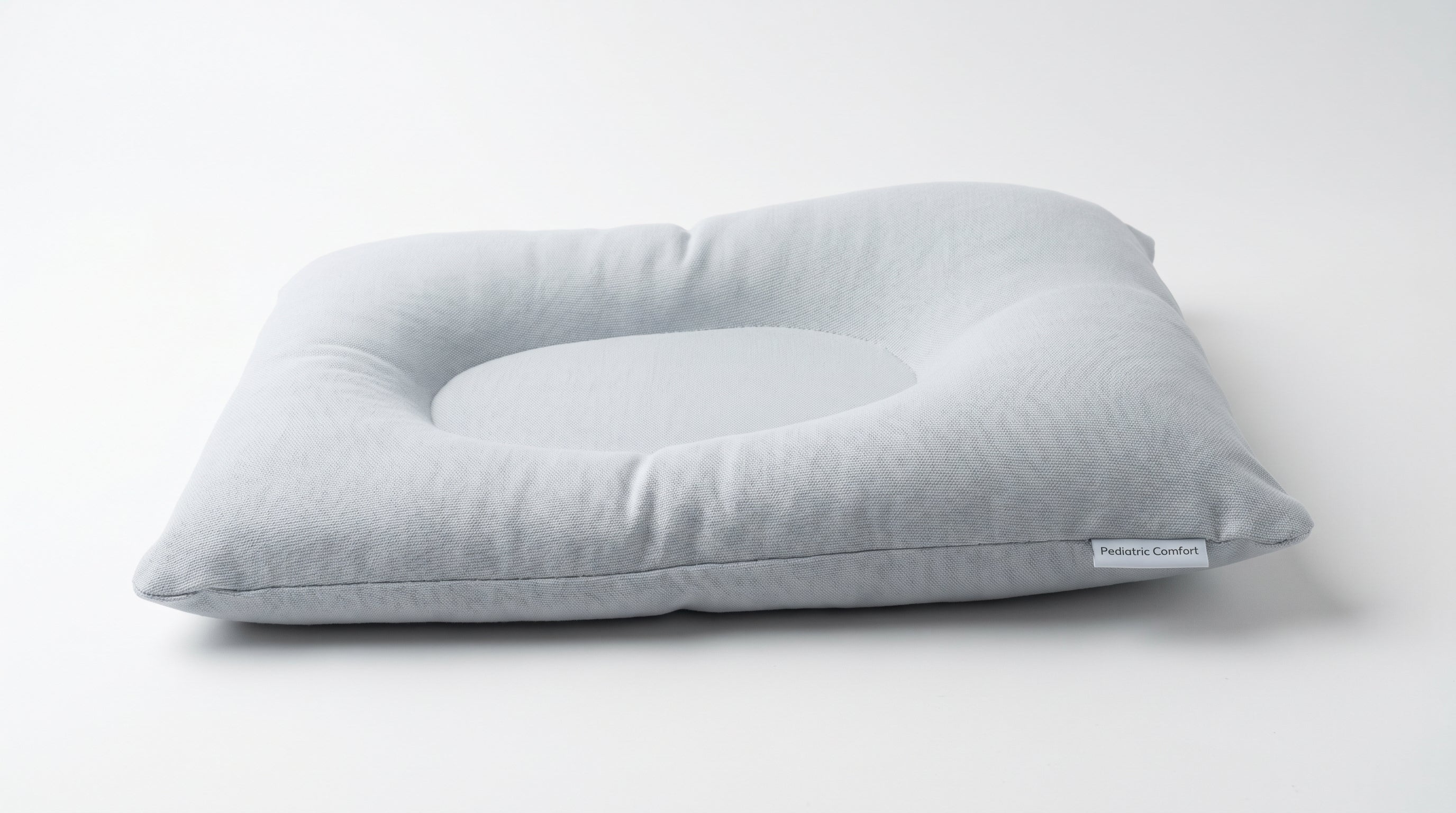
A well-designed flat head pillow like the SleepEasy™ Baby Flat Head Pillow features a gentle central cavity that distributes head pressure evenly and prevents concentrated pressure on any single area of the skull.
Treatment Options
If your baby has already developed a noticeable flat spot, consult your paediatrician. Mild to moderate cases typically respond well to repositioning and physiotherapy. More significant cases may benefit from a helmet or band therapy. Early intervention (before 6 months) gives the best results.
The SleepEasy™ Approach
The SleepEasy™ Flat Head Pillow is designed as a prevention and early management tool. Its precisely engineered contour cavity distributes head pressure across a wider surface area, reducing the localised pressure that leads to flat spots. Made from breathable, hypoallergenic memory foam, it supports healthy head positioning from the very first weeks.



Laisser un commentaire
Ce site est protégé par hCaptcha, et la Politique de confidentialité et les Conditions de service de hCaptcha s’appliquent.