

Are Anti-Roll Baby Pillows Safe? What Australian Paediatricians Say
"Is it safe?" — it's the first question every parent asks before putting anything in their baby's crib. And it's exactly the right question to ask about anti-roll baby pillows.
The short answer: when used correctly and with the right product, yes — anti-roll pillows can be a safe positioning aid for newborns. But the details matter, and there's a lot of misinformation online. Here's what Australian paediatric guidance and product design standards actually say.
What Is an Anti-Roll Baby Pillow?
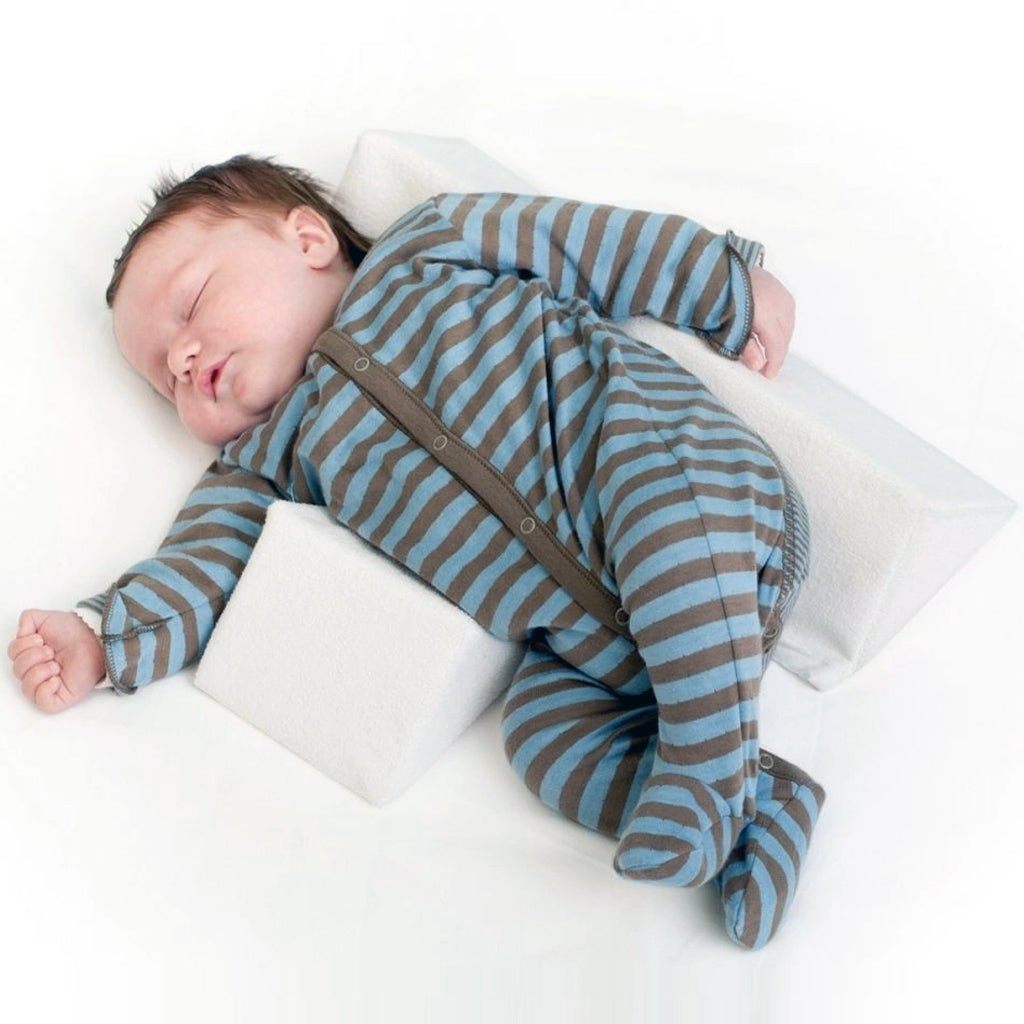
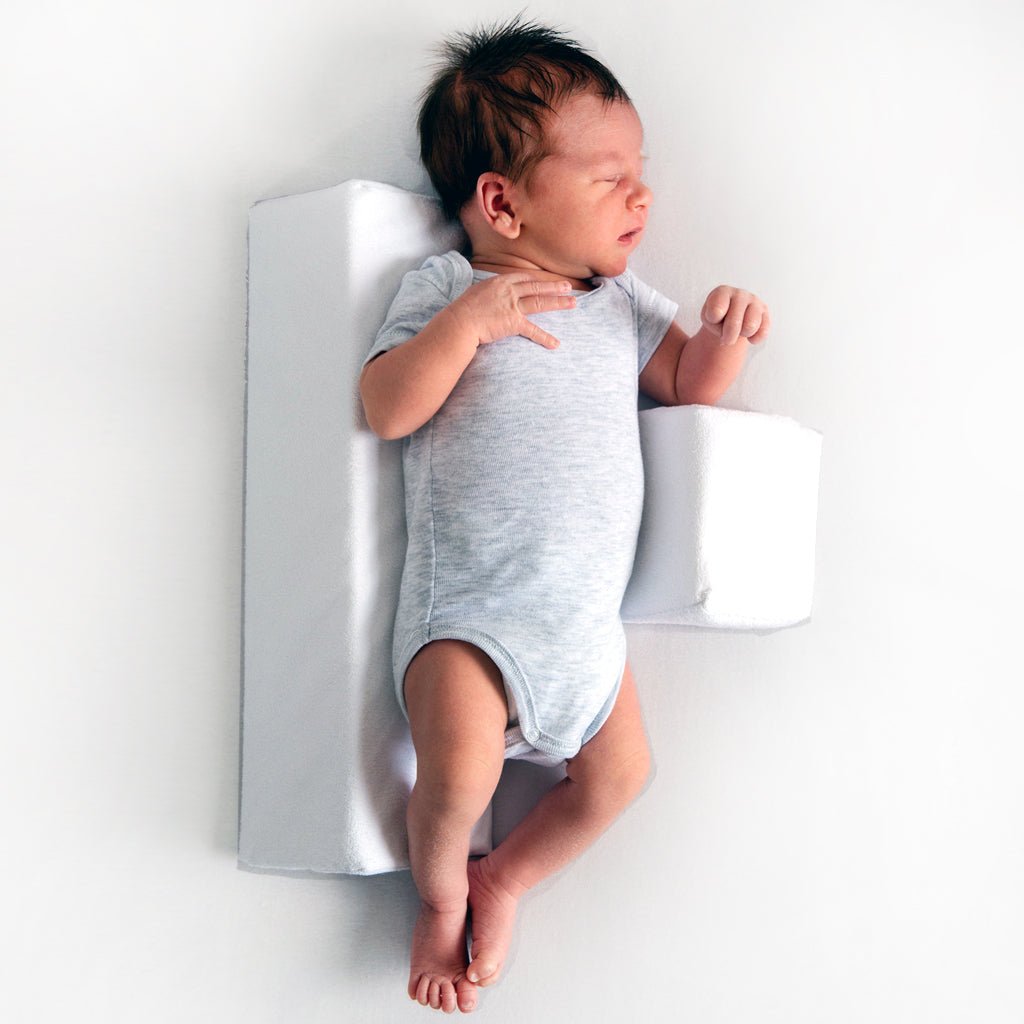
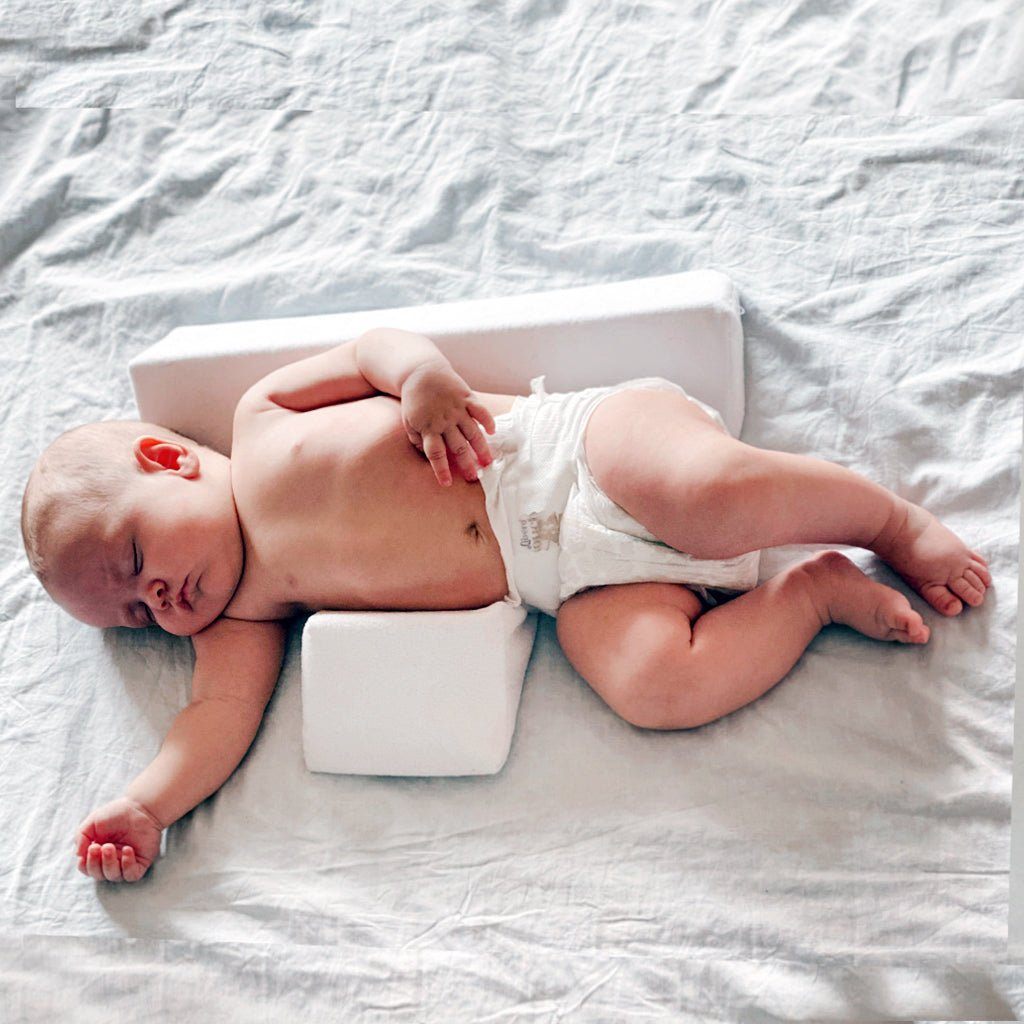
An anti-roll baby pillow is a positioning wedge or bolster system designed to keep a baby on their back during sleep. Unlike traditional pillows (which should never be used in a crib), anti-roll pillows are specifically engineered for infant use — they're flat in the centre with raised, firm sides that act as a gentle boundary.
The Anti Roll Baby Pillow - SaferSleeper™ is one of Australia's most popular examples: a purpose-built positioner with breathable materials, no loose fill, and a design that supports the "back to sleep" position recommended by Red Nose Australia.
What Do Australian Safe Sleep Guidelines Say?
Red Nose Australia — the country's leading authority on infant safe sleep — recommends:
- Babies sleep on their back for every sleep until 12 months
- The sleep surface is firm and flat
- No loose bedding, pillows, or soft toys in the sleep space
A well-designed anti-roll positioner like the SaferSleeper™ supports — not contradicts — the back-to-sleep guideline. It doesn't replace the mattress or add soft fill near the baby's face; it creates side boundaries to maintain the recommended sleeping position.
What Makes an Anti-Roll Pillow Safe to Use?
Firm, Not Soft Bolsters
The side bolsters should be firm enough to provide resistance against rolling — not so soft that a baby's face could sink into them. Avoid products with fluffy or overfilled sides.
Breathable Materials
Look for breathable fabrics and no memory foam near the head zone. If a baby's face rotates toward the side, the material should allow airflow.
No Elevation Under the Head
Unless prescribed by a doctor for a specific condition like severe reflux, the pillow surface should be flat. Head elevation changes the angle of the airway and is not recommended for routine use.
Age-Appropriate Use
Anti-roll pillows are typically designed for newborns and young infants (0–4 months) who cannot yet roll independently. Once a baby can roll both ways, these products are generally no longer needed.
When Do Paediatricians Recommend Them?
Australian GPs and maternal health nurses sometimes suggest anti-roll positioners for:
- Babies with a strong Moro (startle) reflex that disrupts sleep and causes rolling attempts
- Newborns with low muscle tone who tend to sag to one side
- Babies transitioning out of swaddles who need extra positional support
Always check with your GP or paediatric nurse before introducing any sleep product — they know your baby's specific needs.
How to Use the SaferSleeper™ Safely
- Place it on a firm, flat crib mattress with a fitted sheet
- Place your baby on their back in the centre of the positioner
- Ensure there is no gap between your baby and the bolsters that could cause entrapment
- Never leave an unsupervised newborn on the product outside a crib or bassinet
- Discontinue use when your baby begins attempting to roll independently
The Bottom Line
Anti-roll baby pillows are safe when they're well-designed and used as intended. The SaferSleeper™ meets the criteria: firm bolsters, breathable fabric, flat centre surface, and purpose-built for the 0–4 month stage. It supports — not replaces — the back-to-sleep guidelines that protect Australian babies every night.
If you're unsure whether it's right for your baby, your maternal and child health nurse is your best first call.
→ Shop the Anti Roll Baby Pillow - SaferSleeper™ at Baby Bubble


Jätä kommentti
Tämä sivu on suojattu hCaptcha-tunnistuksella, ja hCaptchan tietosuojakäytäntöjä ja käyttöehtoja sovelletaan.