

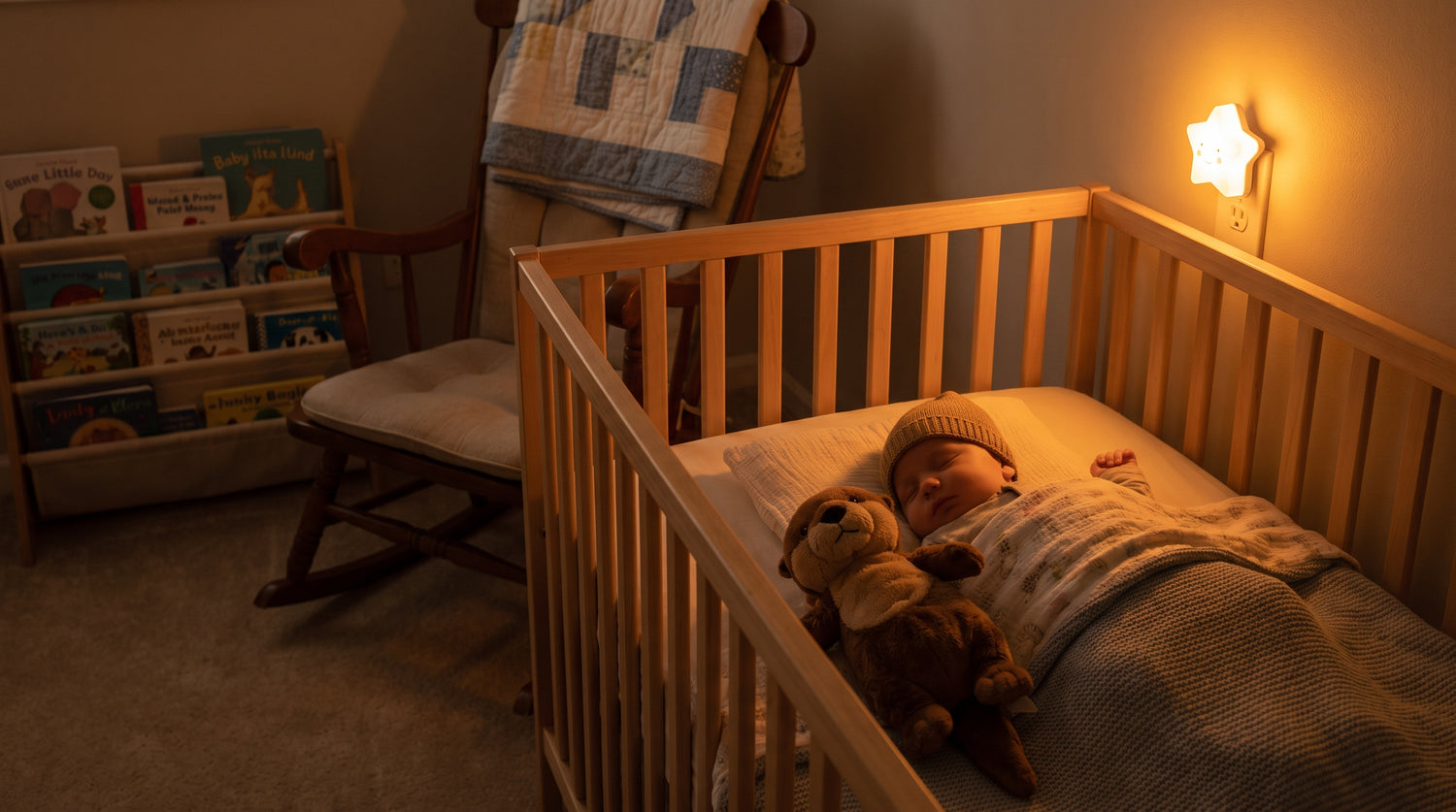
Baby Breathing Toys: Do They Actually Help With Sleep? An Honest Guide
The claim that a soft toy with a gentle breathing motion can help babies fall asleep sounds almost too simple. But parent testimonials and early developmental research suggest there's real substance to it.
The Claim: What Breathing Toys Promise
- Rhythmic movement that mimics natural breathing
- Soothing sounds that create a calming audio environment
- Soft, familiar texture that provides tactile comfort
- A visual focal point that gives baby something gentle to track
The Evidence: What We Actually Know
Entrainment: The physiological tendency to synchronize biological rhythms with external rhythmic cues is well-documented. A breathing toy's slow, rhythmic expansion and contraction is simply another application of this phenomenon.
White noise efficacy: Many breathing toys include white noise or shushing sounds. White noise as a sleep aid for infants has significant research support, with multiple studies showing reduced crying and improved sleep duration.
Familiarity and association: Babies develop sleep associations quickly. A breathing toy placed consistently in the sleep environment becomes part of the sleep cue complex.
Bottom Line
Breathing baby toys, including the Breathing Otter Baby Bubble™, work for a significant proportion of babies through entirely plausible mechanisms. At their price point, the risk of them not working is relatively low, while the upside — better sleep for baby and parents — is significant.
👉 Ready to get yours? Check out the Breathing Otter - Baby Bubble™ — available now at Baby Bubble Store with fast shipping.
Shop Now →


Dejar un comentario
Este sitio está protegido por hCaptcha y se aplican la Política de privacidad de hCaptcha y los Términos del servicio.