

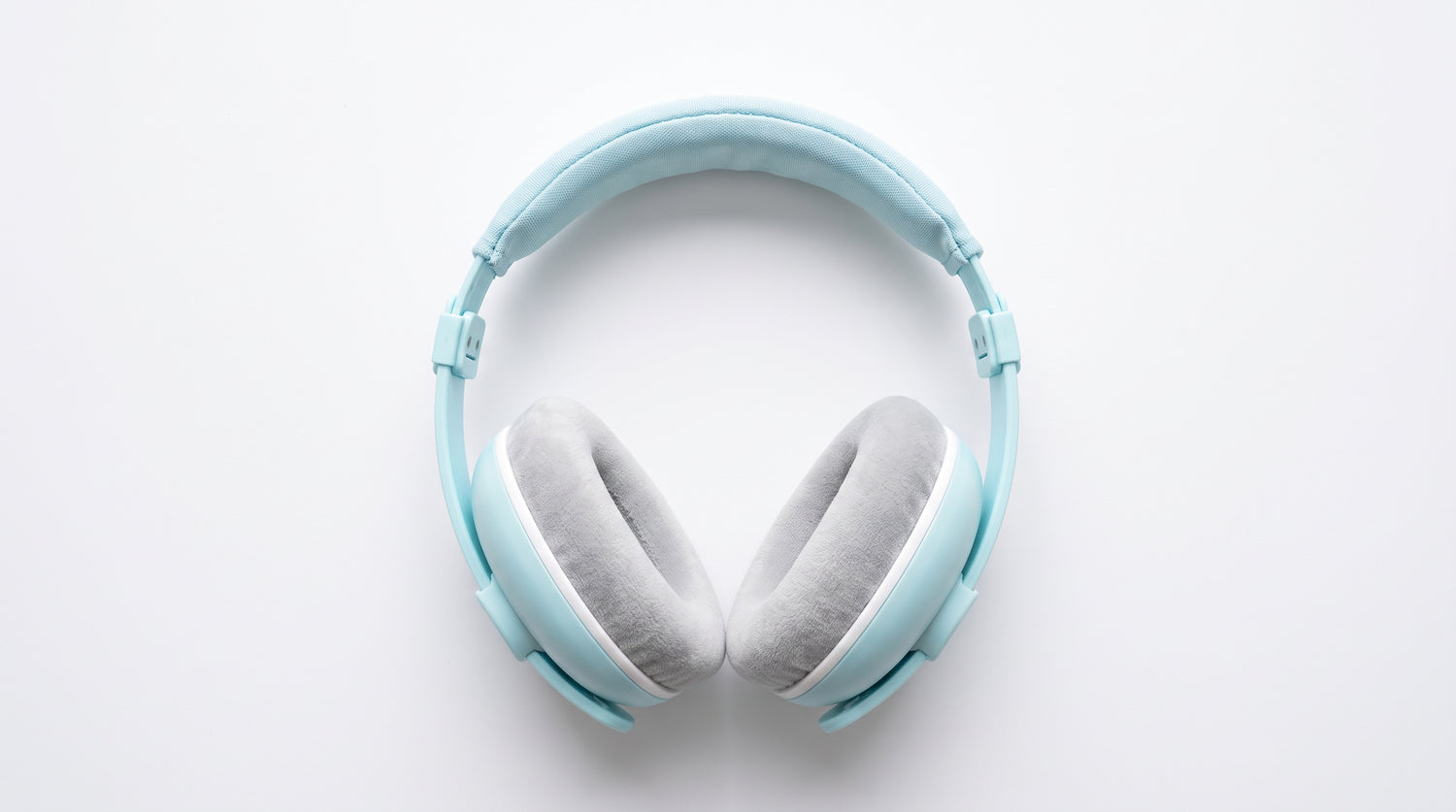
What to Look for When Buying Baby Ear Muffs
Not all baby ear protection is equally effective. With the Muffy™ and other brands available, here's a comprehensive breakdown of the features that separate genuinely protective, comfortable ear muffs from inadequate alternatives.
1. Noise Reduction Rating (NRR)
The NRR measures how many decibels of noise the ear muffs reduce. For baby ear muffs, look for an NRR of at least 20 dB. This brings a 100 dB environment down to around 80 dB — still not ideal but significantly safer. Higher NRR values (25+ dB) are better for very loud events like fireworks or motorsport.
Be cautious of products that don't state their NRR — without this data, you cannot assess their actual protective effectiveness.
2. Size and Adjustability
Baby heads vary significantly in size from newborns through toddlers. Look for ear muffs with an adjustable headband that allows the cup spacing to be set correctly for your baby's head size. Cups that are too loose will leak sound; cups that are too tight will be uncomfortable. A wide adjustment range extends the useful life of the product.
3. Weight and Comfort
Heavy ear muffs on a baby's head are quickly rejected. The best baby ear muffs are lightweight (ideally under 150g) with soft, flexible headbands that don't dig in. The ear cushions should be filled with soft foam or liquid-filled material that moulds to the ear shape for a comfortable seal.
4. Soft, Padded Ear Cushions
The cushions that press against baby's ears need to be exceptionally soft. Look for memory foam or liquid-filled cushions covered in soft fabric. Hard plastic rings pressing against delicate baby skin will result in distress and non-cooperation very quickly.
5. Easy to Put On
Getting a baby to cooperate with wearing ear muffs requires a quick, smooth fitting process. Look for a headband design that can be slid on in one motion — pull-down or push-over-head styles work best. Complex, multi-step adjustments in the moment of a fireworks display will fail.
6. Baby-Appropriate Design
Products like the Muffy™ come in attractive, baby-friendly colours and designs. While aesthetics aren't the primary concern for a safety product, a design that babies find appealing — or at least non-threatening — makes the experience much smoother.
7. Age Range and Certifications
Always check the stated age range. Quality baby ear muffs specify the minimum age (some state 0 months; others begin at 3 months). Safety certification (CE marking in many markets) indicates the product has been independently tested. Avoid non-certified products for use on infants.
Quick Checklist
- ✓ NRR of 20 dB or higher (stated on packaging)
- ✓ Adjustable headband for correct fit
- ✓ Lightweight (under 150g)
- ✓ Soft foam or liquid-filled cushions
- ✓ Easy to put on quickly
- ✓ Safety certified
- ✓ Suitable age range includes your baby
Final Thoughts
Baby ear muffs are a one-time purchase that protects something priceless — your baby's hearing. Invest in a quality, certified pair with a good NRR and comfortable fit, and they'll serve you well through concerts, festivals, fireworks, and all the noisy celebrations of family life.
👉 Ready to get yours? Check out the Comfortable Baby Ear Protection - Muffy™ — available now at Baby Bubble Store with fast shipping.
Shop Now →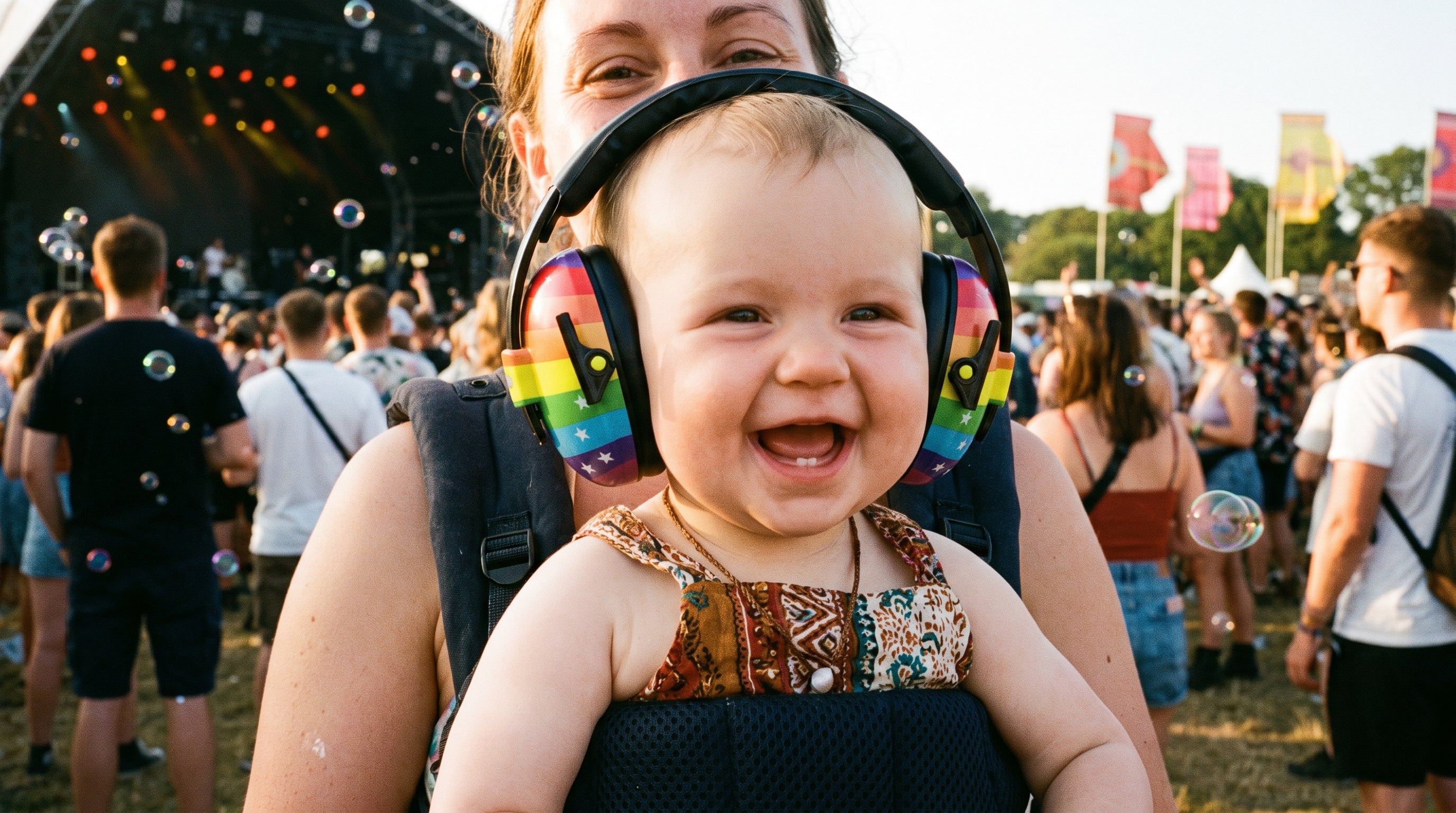


Hinterlasse einen Kommentar
Diese Website ist durch hCaptcha geschützt und es gelten die allgemeinen Geschäftsbedingungen und Datenschutzbestimmungen von hCaptcha.